Call Us Today!
(703) 825-1191
New Patients
(703) 202-2036


When a cavity weakens a tooth, the goal is to restore strength, function, and appearance with as little removal of healthy structure as possible. Contemporary dental fillings use materials and techniques that allow dentists to repair teeth conservatively while preserving the natural shape and support. This approach reduces the need for larger restorations later and helps maintain the tooth’s long-term integrity.
Composites — commonly called tooth-colored fillings — have become the standard for many situations because they combine strength with a discreet appearance. They are designed to adhere to the tooth, which reinforces the remaining enamel and dentin rather than relying solely on mechanical retention. That bonding capability is a major reason clinicians prefer composites for small to moderate cavities.
At Centreville Dental Design, we emphasize treatments that balance durability and esthetics so patients can enjoy reliable results without sacrificing the look of their smile. We’ll take time to evaluate each tooth so you receive the most appropriate, minimally invasive option for your situation.
Tooth-colored restorations are selected for more than just aesthetics. Because the composite material chemically bonds to tooth structure, dentists can conserve more healthy tissue during preparation. Less drilling often means a stronger overall tooth after treatment and a lower likelihood of future complications such as fractures.
Unlike traditional metal fillings, composite resins do not contain mercury and can be matched precisely to the shade of surrounding teeth. That makes them a practical choice for front teeth and visible areas of the smile, as well as for patients who prefer restorations that blend seamlessly with natural enamel.
Another advantage is repairability. If a composite filling becomes chipped or worn, it can frequently be repaired directly without completely replacing the restoration. This flexibility helps extend the life of the repair while keeping additional treatment conservative.
Composite resin is a blend of a plastic matrix and microscopic glass or ceramic particles. This combination provides a balance of strength and polishability — meaning the filling can be shaped to mimic tooth contours and finished with a natural-looking sheen. Different composite formulations are used depending on whether the repair is in a high-stress chewing surface or a more esthetic zone.
While composites are versatile, there are other restorative options for larger deficits or where biting forces are substantial. In such cases, indirect restorations like inlays, onlays, or crowns made from ceramic or porcelain may be recommended because they distribute forces differently and can be fabricated to exact dimensions in a dental laboratory.
Longevity of any restoration depends on material choice, oral hygiene, the location of the filling, and chewing habits. Regular dental checkups help monitor restorations so small issues can be addressed early, and routine polishing and maintenance will keep tooth-colored fillings looking and functioning well for many years.
The process begins with a careful exam and diagnostic imaging when needed to determine the extent of decay. Local anesthesia is typically used to ensure your comfort while the decayed material is removed. For patients who experience dental anxiety, our practice offers sedation dentistry options to help make the visit more relaxed and manageable.
After the tooth is prepared, composite is placed in thin layers and each layer is hardened with a safe curing light. Layering allows us to control shrinkage and contour the restoration to fit your bite precisely. Once the material is fully set, we refine the shape, check your occlusion, and polish the surface for a smooth, natural finish.
Most composite fillings can be completed in a single visit. Throughout treatment, we focus on communication and patient comfort — explaining each step so you understand what’s being done and why. If additional treatment is needed later, we’ll outline options clearly so you can make an informed decision.
After a filling, routine home care makes a significant difference. Brushing twice a day with fluoride toothpaste, flossing daily, and attending scheduled dental exams and cleanings will protect both the restoration and the surrounding tooth. Avoiding hard or sticky foods immediately after treatment helps the filling settle and reduces the chance of early wear.
It’s normal to experience mild sensitivity to temperature or pressure for a few days following placement. If sensitivity persists beyond a short adjustment period, or if you notice pain when biting or a visible chip in the filling, contact our office so we can evaluate the restoration and make any needed adjustments.
Regular professional monitoring allows us to identify wear, recurrent decay at the margins, or changes in the surrounding tooth structure early on. Timely attention to these issues helps prevent more extensive treatment and keeps your smile healthy and comfortable.

Our objective is to repair teeth in a way that respects both function and appearance. If you’re considering treatment for a cavity or have questions about the best restorative option for your smile, we’re happy to help explain the choices and what to expect.
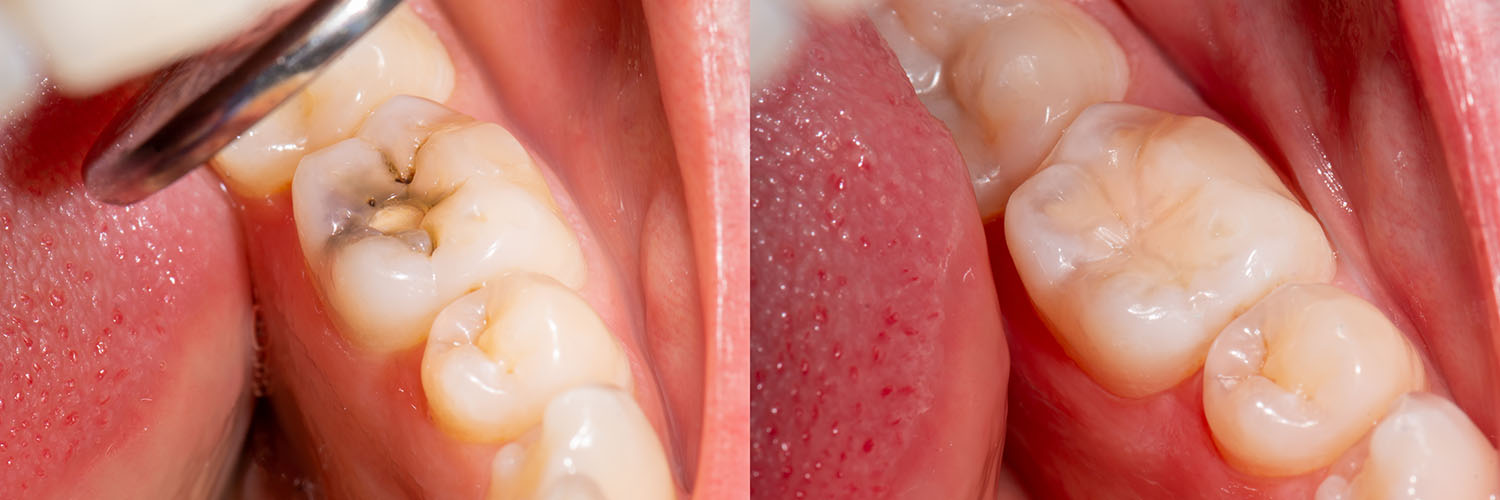
To summarize, modern composite fillings offer a conservative, esthetic solution for many types of cavities. With attentive placement, appropriate material selection, and consistent follow-up care, these restorations can maintain tooth health and preserve the natural look of your smile.
Please contact us to learn more about cavity treatment and which restorative option is best for you.
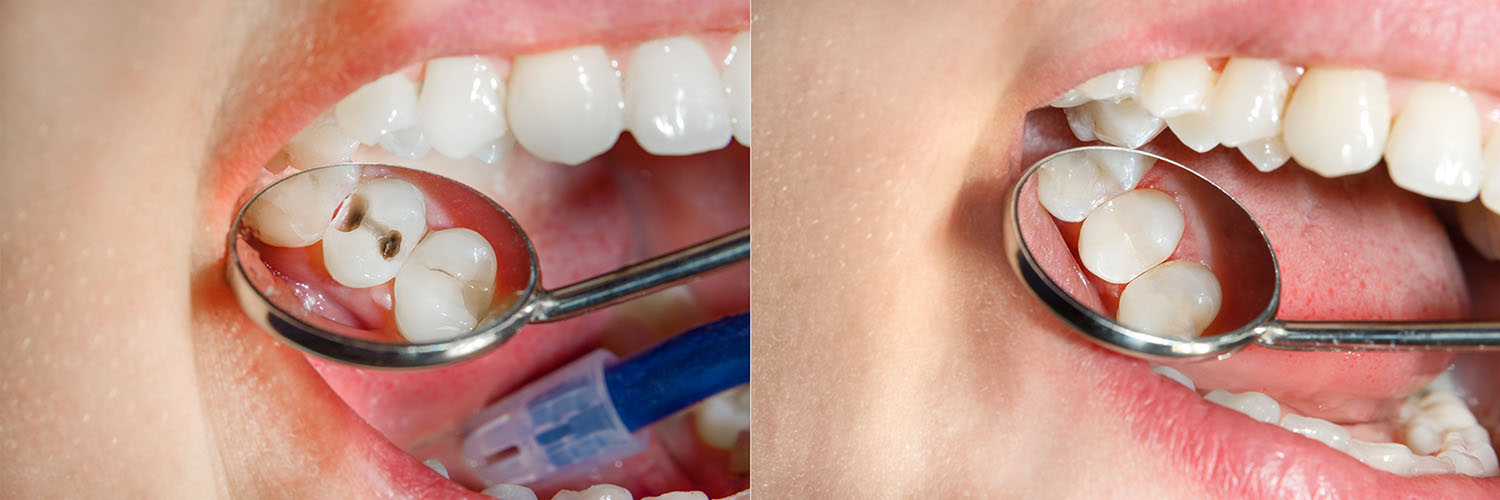
Dental fillings are restorations placed to repair a tooth after decay or minor damage and to restore its function and shape. The goal of a filling is to remove infected or weakened material and replace it with a durable substance that protects the remaining tooth. Fillings also seal the area to prevent bacteria from entering and causing further decay.
Modern dentistry emphasizes conservative techniques that preserve as much healthy tooth structure as possible when placing fillings. By restoring the tooth promptly, a filling can prevent the need for larger restorations later on. Your dentist will evaluate the extent of damage and recommend the most appropriate, minimally invasive option for your situation.
There are several filling materials used in contemporary dentistry, each with different properties for strength, appearance, and wear resistance. Composite resin is tooth-colored and bonds to the tooth structure, glass ionomer releases fluoride and is useful for certain areas, and ceramic or gold restorations are sometimes used for larger or high-stress repairs. Indirect restorations such as inlays or onlays are fabricated in a laboratory and can be made from ceramic or metal for increased durability.
The choice of material depends on the size and location of the defect, esthetic needs, and functional demands on the tooth. Your dentist will consider factors such as chewing forces, visibility in the smile, and the condition of the remaining tooth when recommending a material. Diagnostic imaging and a careful clinical exam help guide this decision to achieve a long-lasting result.
Tooth-colored composite fillings are popular because they blend with natural enamel and provide an esthetic result for visible teeth. Composites bond to the tooth, allowing more conservative preparations and reinforcing the remaining enamel and dentin rather than relying on mechanical retention. They also avoid the use of metal, which some patients prefer for appearance or material concerns.
Another practical advantage is that composite restorations can often be repaired directly if minor chipping or wear occurs, reducing the need for full replacement. Different composite formulations allow clinicians to match strength and polishability to the specific location, whether a high-stress chewing surface or an esthetic front tooth. This versatility makes composites a strong option for many small to moderate cavities.
A filling appointment begins with a careful exam and any necessary diagnostic images to determine the extent of decay or damage. Local anesthesia is commonly used to ensure comfort while the decayed material is removed and the tooth is prepared for the restoration. For patients with dental anxiety, sedation options may be available to help create a relaxed and manageable treatment experience.
Once the tooth is prepared, composite material is typically placed in thin layers and cured with a safe light to control polymerization and shrinkage. The restoration is then shaped, adjusted for your bite, and polished to a natural finish before you leave. Most simple composite fillings are completed in a single visit, and your dentist will explain follow-up care and what to expect in the days after treatment.
Composite fillings can serve well for many years, but their lifespan varies based on several factors rather than a single fixed duration. Material selection, the size and location of the filling, chewing forces, and your oral hygiene habits all influence how long a restoration will perform. Regular dental checkups allow the dentist to monitor restorations and identify early signs of wear or marginal breakdown.
Other considerations that affect longevity include bruxism (teeth grinding), diet, and the presence of recurrent decay around the margins of the filling. High-quality placement with careful layering and proper bonding technique also contributes to longer performance. Timely maintenance, such as polishing and repair of small defects, can extend the useful life of a composite restoration.
Good home care is essential to protect both the restoration and the surrounding tooth structure. Brush twice daily with fluoride toothpaste, floss once a day to remove plaque at the margins, and maintain routine professional cleanings and exams. These habits reduce the risk of recurrent decay and help keep the filling intact.
Avoiding very hard or sticky foods immediately after placement helps the material settle, and being mindful of chewing habits can reduce premature wear. If you have concerns about grinding, a nightguard may be discussed to protect restorations. Promptly report any changes you notice, such as roughness, chipping, or new sensitivity, so the practice can evaluate them early.
A filling may need repair or replacement if you experience persistent pain, biting discomfort, visible chipping, or if the restoration feels rough or loose. Recurrent decay can develop at the margins of an older filling, which may require attention to prevent further damage to the tooth. Your dentist will assess the condition of the restoration during regular exams and use diagnostic imaging when necessary to look for hidden issues.
Minor chips or surface wear can sometimes be repaired directly with composite, preserving much of the existing restoration. Larger failures, extensive recurrent decay, or structural compromise of the remaining tooth may necessitate a complete replacement or an alternate restoration such as an onlay or crown. Early evaluation and intervention help avoid more invasive treatment later on.
Yes. When a tooth has a large area of decay, significant fracture, or has been weakened by previous restorations, an indirect restoration like an inlay, onlay, or crown is often a more predictable long-term solution. These restorations are fabricated to exact dimensions and can distribute chewing forces across a larger surface, which helps protect the remaining tooth. A crown fully covers and reinforces a tooth that has lost substantial structure.
Inlays and onlays can be a conservative alternative to full crowns when enough sound tooth remains, combining laboratory-fabricated strength with a precise fit. Your dentist will evaluate the extent of damage, bite dynamics, and esthetic needs to recommend whether a direct filling or an indirect restoration will provide the best outcome for durability and function.
Mild sensitivity to temperature or pressure is common for a few days after a filling as the tooth adjusts to the procedure, and this typically resolves on its own. If sensitivity persists beyond a short adjustment period, if you experience sharp pain when biting, or if you notice swelling or prolonged discomfort, contact the office for an evaluation. These symptoms may indicate a high spot in the bite, a cracked tooth, or the need for additional treatment.
Allergic reactions to modern dental materials are rare, but if you have a known material sensitivity, inform your dentist so alternatives can be considered. Regular monitoring during follow-up visits helps identify any emerging problems early so they can be addressed conservatively. Communication about any post-treatment concerns ensures timely care and better outcomes.
At Centreville Dental Design in Centreville, VA, the clinical approach emphasizes minimally invasive techniques, careful diagnosis, and patient comfort throughout restorative treatment. We use modern materials and precise bonding protocols to preserve healthy tooth structure and provide natural-looking results. Diagnostic tools and clear communication help patients understand options and what to expect during each step.
The practice offers local anesthesia and sedation options for patients who need extra support, and clinicians check the bite and contour carefully to minimize post-operative issues. Regular recall appointments allow the team to monitor restorations and perform maintenance or repairs as needed to protect long-term oral health. If you have questions about cavity treatment or the best restorative option for your smile, the office can explain choices and next steps.
