Call Us Today!
(703) 825-1191
New Patients
(703) 202-2036


At the office of Centreville Dental Design, we pair clinical expertise with modern materials to restore teeth that are broken, weakened, or simply no longer performing as they should. Ceramic crowns have become a preferred option for many patients because they combine strength, biocompatibility, and an appearance that closely matches natural enamel.
Whether you’re protecting a tooth after root canal therapy, replacing a large filling, or improving the look of a discolored or misshapen tooth, a well-crafted ceramic crown can restore confidence and function. Our goal is to explain how these restorations work and why they often represent the best long-term solution for compromised teeth.
This page outlines when a crown is the right choice, the advantages of contemporary ceramic materials, how we select the best option for each tooth, what to expect during treatment, and why our clinical approach focuses on predictable, natural-looking results.
A crown is a full-coverage restoration that replaces the outer portion of a damaged tooth to restore its shape, strength, and chewing function. We commonly recommend crowns when a tooth has lost too much structure for a conventional filling to provide reliable protection. Extensive decay, fractures, or a failed large restoration are frequent reasons a crown becomes necessary.
Crowns are also indicated after root canal therapy because teeth that have been treated endodontically can become brittle over time. Similarly, crowns are used to restore dental implants, where a durable and precisely fitting restoration is required to mimic a natural tooth and distribute bite forces safely.
Other situations where a crown may be the best choice include when a tooth is severely worn by grinding (bruxism), when a cosmetic improvement requires full-coverage correction, or when a bridge needs strong abutment teeth. A thoughtful diagnosis considers both function and appearance to ensure the restoration supports long-term oral health.
To repair and rebuild a tooth with extensive structural damage due to decay or trauma
To replace a large or broken dental filling
To restore a dental implant
To provide full coverage for the abutment teeth, serving as the supporting ends of a traditional dental bridge
To strengthen and protect a tooth that has undergone root canal therapy
To improve the look of an undersized, slightly misaligned, darkly stained, or misshapen tooth
To address bite discrepancies

All-ceramic crowns are engineered to look and behave like natural teeth. They mimic the translucency and surface texture of enamel, so when color-matched and layered correctly, they blend seamlessly with neighboring teeth. This makes ceramic crowns an excellent choice when aesthetics are a priority, such as for front teeth or highly visible restorations.
Beyond appearance, contemporary ceramic materials offer strong fracture resistance and excellent longevity when placed with proper technique. Many ceramic systems are now comparable to older metal-ceramic restorations in durability while being entirely metal-free, which improves biocompatibility and eliminates the risk of an unsightly metal margin showing at the gumline.
Ceramics are also resistant to staining and are gentle on surrounding soft tissues. For patients with metal sensitivities, a metal-free crown reduces the likelihood of irritation. Reduced preparation requirements with some ceramic systems can preserve more natural tooth structure, which is beneficial for the tooth’s long-term strength and health.
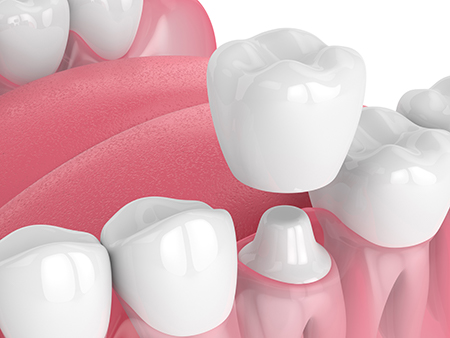
Not all ceramic crowns are the same. Different materials deliver different combinations of translucency, strength, and wear characteristics. Our team evaluates each case by considering tooth position, bite forces, and cosmetic needs to recommend a material that provides a long-lasting, natural result.
Lithium disilicate ceramics are a popular choice for anterior crowns and many posterior restorations where a lifelike appearance is needed alongside good strength. Monolithic zirconia and high-strength zirconia variants are frequently selected for posterior teeth or for patients who require a more robust option to withstand heavy chewing forces or bruxism.
Leucite-reinforced ceramics and feldspathic porcelains still have roles in highly cosmetic zones where delicate layering and optical effects are essential. Ultimately, the ideal selection is a compromise between function and esthetics, and we make that decision in consultation with each patient so expectations are clear and predictable.
Treatment begins with a comprehensive evaluation: we examine the tooth, take digital radiographs or 3D scans when indicated, and review bite relationships. If the tooth has active decay or infection, those issues are addressed before crown preparation. We also discuss your cosmetic goals so shade selection and shaping align with your smile expectations.
During preparation, the tooth is shaped to make room for the crown while preserving as much healthy structure as possible. Many practices now use digital impressions to capture highly accurate models of your teeth, improving fit and reducing the need for messy putties. A temporary crown may be placed to protect the tooth while the final restoration is fabricated.
Once the lab-supplied or in-office milled crown is ready, we verify fit, contour, and shade during a final appointment. The crown is bonded or permanently cemented, and we confirm that your bite is comfortable. Follow-up visits allow us to monitor the restoration and make any small adjustments to ensure long-term success.

Our practice emphasizes careful planning, precise execution, and long-term maintenance—three pillars that support predictable crown outcomes. We combine modern diagnostic tools with advanced ceramic materials and conservative preparation techniques to create restorations that perform well and look natural over time.
Communication is also central to our approach. We explain material choices, show how a proposed restoration will fit with your bite and smile, and outline realistic expectations for durability and maintenance. By taking this collaborative path, we help patients make informed choices that align with their oral health goals.
When a ceramic crown is the right solution, our team focuses on shaping a restoration that restores function, protects the underlying tooth, and enhances the overall appearance of your smile—all while respecting the biology of the tooth and surrounding tissues.
In summary, ceramic crowns offer a versatile, attractive, and biocompatible solution for restoring damaged or weakened teeth. If you’d like to learn whether a ceramic crown is the right option for your situation, please contact us for more information.
A ceramic crown is a full-coverage dental restoration made entirely from tooth-colored ceramic materials that mimic the translucency and texture of natural enamel. It fits over the prepared outer portion of a damaged tooth to restore shape, strength, and function while providing an esthetic appearance. All-ceramic crowns are metal-free, which improves biocompatibility and eliminates visible metal margins at the gumline.
Modern ceramics are formulated to resist staining and wear, and when properly matched and layered they blend seamlessly with adjacent teeth. These restorations are commonly used for both anterior and posterior applications depending on the selected ceramic system. The combination of appearance and performance makes ceramic crowns a versatile option for many restorative needs.
A crown is recommended when a tooth has lost too much structure for a conventional filling to provide reliable protection, such as with extensive decay, large fractured areas, or failed restorations. Crowns are also indicated after root canal therapy because endodontically treated teeth can become brittle and are more susceptible to fracture without full-coverage protection. Additionally, crowns serve as durable abutments for bridges and are the standard restoration for dental implants.
A careful clinical evaluation considers the tooth's remaining structure, bite forces, and cosmetic needs to determine whether a crown is the best long-term solution. In cases of severe wear from grinding, significant discoloration, or an irregular shape that affects function or appearance, a crown frequently provides the most predictable outcome. The decision balances function and esthetics to preserve oral health over time.
Several ceramic systems are available, each offering a different balance of translucency, strength, and wear characteristics. Lithium disilicate is popular for its lifelike esthetics and good strength, making it suitable for many front and back teeth, while monolithic and high-strength zirconia provide exceptional durability for posterior teeth or patients with heavy bite forces. Leucite-reinforced and feldspathic porcelains are still used in highly cosmetic zones where delicate optical effects and layering techniques are needed.
The choice of material depends on clinical needs such as tooth position, occlusion, and esthetic goals, and modern laboratories can deliver highly customized results. Many cases now use CAD/CAM technology for precise milling, and some practices combine in-office milling with lab-based finishing to optimize both fit and appearance. Communication between the dentist, patient, and ceramist ensures the selected ceramic meets both functional and cosmetic expectations.
Material selection begins with a comprehensive examination that includes assessing tooth position, bite dynamics, and the amount of remaining tooth structure. For visible front teeth, translucency and color matching are prioritized, while posterior teeth require materials that can withstand higher chewing forces. We also evaluate habits such as bruxism and the condition of opposing teeth to choose a ceramic that will perform well in the long term.
Patient preferences are part of the discussion; some patients prioritize maximum esthetics while others need the most durable option available. After reviewing the clinical findings and cosmetic goals, the dentist will explain the advantages and limitations of the recommended material and how it supports predictable function and appearance. This collaborative approach ensures the final restoration aligns with the patient's needs and expectations.
Treatment typically begins with a thorough evaluation, digital radiographs or 3D scans when indicated, and any necessary pre-restorative care such as treating decay or infection. During preparation the tooth is shaped to create space for the crown while preserving as much healthy structure as possible, and digital impressions are often taken to capture precise models for fabrication. A temporary crown may be placed to protect the tooth while the final restoration is produced by the lab or milled in-office.
At the placement appointment the fit, contour, and shade are verified before the crown is bonded or cemented and the bite is adjusted for comfort. Follow-up visits allow the team to confirm tissue health and make small refinements if needed. The overall process emphasizes accurate diagnostics, conservative preparation, and careful finishing to support a long-lasting, natural-looking result.
The lifespan of a ceramic crown depends on factors such as the chosen material, the amount of remaining tooth structure, the quality of the preparation and fit, and the patient's oral habits. With proper technique and maintenance, many ceramic crowns provide reliable service for a decade or longer, and modern materials and adhesive protocols have improved longevity compared with older systems. Regular dental care and protection from excessive forces play an important role in extending the life of a restoration.
Bruxism, poor oral hygiene, and recurrent decay at the margins can shorten a crown's lifespan, so addressing these risk factors is part of treatment planning. Routine checkups allow the dentist to monitor the crown and surrounding tissues and intervene early if problems develop. Conserving natural tooth structure during preparation and selecting an appropriate ceramic also support long-term success.
Home care for a ceramic crown is essentially the same as for natural teeth: brush twice daily with a fluoride toothpaste and floss once daily, paying particular attention to the crown margins to prevent recurrent decay. Using interdental brushes or a water flosser can help maintain a clean interface between the crown and gum tissue, and avoiding excessively hard or sticky foods can reduce the risk of chipping or debonding. If you grind your teeth, a nightguard may be recommended to protect restorations from destructive forces.
Regular dental visits are important so the dentist can check the crown, adjust occlusion if needed, and address early signs of wear or margin breakdown. Maintaining good periodontal health around the restoration supports both esthetics and longevity. Promptly reporting sensitivity, looseness, or discomfort allows timely evaluation and preservation of the underlying tooth.
Ceramic crowns are safe and predictable, but like all restorations they carry potential risks that include marginal decay, fracture or chipping of the ceramic, and sensitivity following preparation. Poor fit or inadequate cementation can lead to microleakage and recurrent decay, while excessive occlusal forces or parafunctional habits increase the risk of ceramic breakage. Some patients experience temporary sensitivity after preparation, which generally subsides as the tooth adapts and the restoration protects the structure.
Careful case selection, precise preparation, high-quality impressions or digital scans, and meticulous cementation reduce the likelihood of complications. If a crown chips or loosens, timely repair or replacement typically restores function and esthetics and prevents more significant damage to the tooth. Open communication with your dental team helps identify and manage risks early in the treatment process.
Yes, ceramic crowns are commonly used on implant abutments to recreate the appearance and function of a natural tooth, and they are often favored for their esthetic qualities in visible areas. The implant provides a strong foundation and the ceramic crown is designed to fit precisely on the abutment, distributing bite forces in a way that mimics a natural tooth. Material choice is influenced by the implant location and occlusal demands, with zirconia frequently selected for posterior implant-supported crowns because of its strength.
Proper implant planning and accurate prosthetic connections are essential for a durable implant restoration, and the team coordinates implant position, abutment selection, and crown design to achieve predictable outcomes. Routine maintenance and monitoring of peri-implant tissues contribute to the long-term success of implant-supported ceramic crowns. When integrated well, these restorations provide a natural appearance and reliable function.
Ceramic crowns are an excellent alternative for patients with metal sensitivities because they are entirely metal-free and therefore reduce the risk of allergic reactions or tissue irritation associated with metal alloys. The absence of metal also eliminates the possibility of dark margins at the gumline, which improves esthetics for crowns placed in the smile zone. Many modern ceramic systems are biocompatible and well tolerated by surrounding tissues.
If you have a known sensitivity or prefer to avoid metal, discuss this with your dentist so material choices can be tailored to your medical history and cosmetic goals. The clinical team will recommend ceramics that provide the appropriate combination of strength and esthetics while honoring your preferences. Selecting a metal-free solution is a predictable way to restore teeth while minimizing potential sensitivity concerns.
Begin with a comprehensive examination that includes a clinical evaluation, digital radiographs or scans as needed, and a discussion of your concerns and cosmetic goals so the dentist can determine whether a ceramic crown is the most appropriate treatment. During the consultation the dentist will explain material options, outline the treatment sequence, and describe what to expect from preparation through final placement. This visit provides the opportunity to review risks, benefits, and maintenance recommendations tailored to your situation.
If you are located near Centreville, VA, the office of Centreville Dental Design can evaluate your case and discuss restorative options in detail. Scheduling is typically done by phone or the practice's appointment system, and the team will prepare any necessary diagnostics to streamline treatment planning at your visit.
