Call Us Today!
(703) 825-1191
New Patients
(703) 202-2036


If your dentist has recommended a root canal, don’t let the term alarm you — modern root canal therapy is a predictable, comfortable procedure that protects your natural tooth and relieves pain. In many cases, treating the inner tissue of a tooth is the best way to stop infection, ease symptoms, and preserve chewing function without resorting to extraction.
At the office of Centreville Dental Design, we combine up-to-date technology with a gentle, patient-centered approach to make root canal treatment as smooth as possible. Your comfort and long-term oral health guide each decision we make, and we take the time to explain options so you can move forward with confidence.
Keeping your natural tooth whenever it is practical is usually the healthiest choice. A treated and restored tooth can continue to function normally for many years, helping you bite and speak comfortably while preserving the alignment and strength of your remaining teeth. Root canal therapy removes the source of infection while maintaining the natural tooth structure whenever feasible.
Root canal procedures have high success rates when performed and restored appropriately. Choosing to save a tooth often prevents the need for more complex restorative work later on, such as an extraction followed by an implant or bridge — both of which require additional treatment steps and long-term maintenance.
From a biological standpoint, preserving a natural tooth helps maintain jawbone volume and the relationship between the upper and lower teeth. When a tooth is lost, neighboring teeth can shift, chewing mechanics change, and the load on adjacent teeth increases — which can lead to further problems over time. Root canal therapy is a conservative option that protects the overall health of your smile.

Each tooth contains a central chamber and narrow canals that house the dental pulp — a mix of connective tissue, nerves, and blood vessels. When decay, trauma, or bacterial infiltration reaches this inner tissue, inflammation and infection can develop. That inflammation is often the cause of the sharp, lingering, or throbbing pain many people experience.
Because the pulp sits inside a rigid chamber, swelling and pressure have nowhere to go. That pressure can irritate the nerve endings and produce intense sensitivity to temperature, chewing, or even light touch. If left untreated, infection can extend through the root tip into the surrounding bone, making treatment more complex and sometimes causing visible swelling or drainage.
Not every irritated pulp requires immediate root canal therapy; in some cases, reversible pulpitis can settle with conservative care. When the pulp is irreversibly damaged or necrotic, however, removing the diseased tissue and sealing the canals is the most reliable way to eliminate infection and save the tooth.
Some symptoms point clearly toward pulpal involvement: persistent pain that wakes you at night, prolonged sensitivity to hot or cold, and sharp discomfort when biting or tapping on a tooth. These signs often indicate that the nerve tissue is inflamed or compromised and should prompt a prompt clinical exam.
Other indicators include a tooth that has darkened in color after an injury, swelling of the gums near a tooth, or the sudden appearance of a pimple-like bump on the gums (a sinus tract) that may drain infection. Tooth looseness can also occur if infection has affected the bone that supports the tooth.
Because some infected teeth produce few or no symptoms, routine exams and dental X-rays are essential. Radiographic changes at the root tip, such as a periapical radiolucency, can reveal an issue before pain becomes severe. If you notice any persistent discomfort, discoloration, or gum changes, scheduling an evaluation is the safest course.

Early intervention often makes root canal therapy simpler, faster, and more predictable. When a problem is caught before extensive bone loss or a large abscess develops, the infected canals are typically easier to clean and seal effectively. Delaying care can allow infection to spread, increasing the chance of more invasive procedures or complications.
Diagnosis usually combines a clinical exam with digital radiographs or other imaging to evaluate canal anatomy and any bone changes. In some cases, we may recommend additional imaging to understand complex canal systems or to plan for retreatment if a prior root canal was incomplete.
Prompt treatment also reduces the risk that oral infection will affect adjacent teeth or contribute to systemic inflammation. While an isolated dental infection is localized most of the time, addressing it sooner helps restore comfort and limits potential downstream effects on overall wellness.
Root canal therapy today is performed with modern instruments and techniques designed to maximize precision and minimize discomfort. After numbing the area with local anesthesia, the clinician accesses the pulp chamber, removes diseased tissue, shapes and disinfects the canals, and then fills them with a biocompatible material to seal the space. Many cases are completed in a single visit; others require two visits, especially when active infection is present.
Sedation dentistry options are available for patients who experience significant dental anxiety. We discuss these choices beforehand so you know what to expect. Regardless of the approach, our goal is always to keep you comfortable and informed at every stage of care.
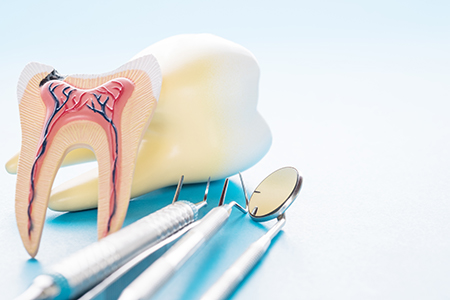
After the procedure, you may feel some tenderness or mild soreness in the treated area as surrounding tissues heal — this is normal and typically resolves within a few days. Until the final restoration is placed, the treated tooth may be more prone to fracture, so avoiding hard or sticky foods and chewing on the opposite side is advisable.
If antibiotics or prescriptions are provided, take them exactly as directed. Continue to maintain your regular oral hygiene routine to support healing, and keep scheduled follow-up visits so the tooth can be restored permanently, often with a crown, to protect its long-term strength.
With proper treatment and restoration, a tooth that has undergone root canal therapy can provide many years of trouble-free function. If symptoms persist or new concerns develop after treatment, contact our office promptly so we can reassess and provide timely care.
Summary: Root canal therapy is a reliable way to relieve pain, eradicate infection, and preserve your natural tooth. If you have symptoms such as persistent pain, temperature sensitivity, swelling, or a darkened tooth, schedule an evaluation to determine the best course of action. For more information or to discuss your situation, please contact Centreville Dental Design to speak with our team.
Root canal therapy is a dental procedure that removes infected or inflamed pulp from the interior of a tooth, then cleans, disinfects, and seals the root canals to prevent reinfection. The goal is to eliminate pain and preserve the natural tooth structure so it can continue to function normally. Modern techniques and materials make the procedure predictable and long-lasting when combined with an appropriate restoration.
By preserving the natural tooth, root canal therapy helps maintain proper bite alignment and chewing efficiency, which supports overall oral health. When performed and restored properly, treated teeth often last for many years and avoid the need for extraction. Regular checkups and good home care help ensure the long-term success of a root canal-treated tooth.
Saving a natural tooth is generally the preferred option when it is practical because it preserves the tooth’s role in chewing, speaking, and maintaining the alignment of surrounding teeth. A root canal removes the source of infection while leaving the tooth structure intact, which often prevents further shifting or additional restorative work on neighboring teeth. Preserving the natural tooth can also help maintain jawbone health and reduce the need for more complex interventions later.
Extraction is sometimes necessary, but it typically leads to replacement options such as a bridge or implant, both of which require additional procedures and planning. Root canal therapy avoids those extra steps when the tooth is restorable and infection can be reliably treated. Your dentist evaluates the tooth’s restorability, the extent of infection, and overall oral health before recommending the most appropriate option.
Common signs that a tooth may need root canal therapy include persistent or severe toothache, prolonged sensitivity to hot or cold that lingers after the stimulus is removed, and sharp pain when biting or tapping the tooth. Other indicators are gum swelling or the appearance of a pimple-like bump on the gum (a sinus tract) that may drain, and darkening or discoloration of a tooth after trauma. These symptoms often reflect inflammation or infection within the pulp and warrant prompt examination.
Some infected teeth produce little or no pain, which is why routine exams and dental X-rays are important for early detection. Radiographic changes at the root tip or signs of bone loss can reveal pulpal problems before symptoms worsen. If you notice any persistent discomfort, discoloration, or gum changes, schedule an evaluation so a clinician can determine whether root canal therapy or another treatment is needed.
After numbing the area with local anesthesia, the clinician creates a small access opening in the crown to reach the pulp chamber and root canals. The diseased tissue is removed, the canals are shaped and disinfected with specialized instruments and irrigants, and then filled with a biocompatible material to seal the space and prevent reinfection. Many cases are completed in a single visit, though teeth with active infection or complex anatomy may require two visits or a temporary medicated dressing.
At the office of Centreville Dental Design, we use modern instruments and techniques designed to maximize precision and patient comfort, and we discuss sedation options when needed for anxiety management. The treated tooth is typically scheduled for a permanent restoration, such as a crown, to restore strength and protect it from fracture. Follow-up visits ensure healing and confirm that the restoration is functioning properly.
Root canal therapy itself is performed under local anesthesia, so patients should not feel pain during the procedure; many people report only pressure or vibration. For patients with dental anxiety, sedation options can make the experience more comfortable and allow the clinician to work efficiently. If you have concerns about numbness or anesthesia, discuss them with the team before treatment so they can tailor the approach to your needs.
Some mild soreness or tenderness in the treated area is common for a few days as surrounding tissues heal, and it can usually be managed with over-the-counter anti-inflammatory medication unless the dentist prescribes otherwise. If you experience increasing pain, swelling, or other unexpected symptoms after treatment, contact the office promptly so the situation can be reassessed. Most post-procedure discomfort resolves quickly and is outweighed by the relief from the original infection or pain.
Recovery after a root canal is typically brief; most patients resume normal activities the same day and notice significant relief from preoperative pain within 24 to 48 hours. Mild soreness may persist for a few days while tissues heal, and avoiding hard or chewy foods on the treated side until a permanent restoration is placed helps prevent fracture. Maintain regular oral hygiene—brushing and flossing gently around the tooth—and follow any medication instructions provided by the clinician.
It is important to return for the scheduled follow-up and final restoration, usually a crown, which protects the tooth and restores full function. Skipping the permanent restoration can increase the risk of reinfection or structural failure. Keep routine dental visits so the dentist can monitor healing and address any concerns early.
Many teeth do benefit from a crown after root canal therapy because teeth can become more brittle when the internal pulp is removed and the remaining structure may be weakened by decay or previous restorations. A crown helps distribute biting forces evenly and protects the tooth from fracture, especially for molars and premolars that endure heavy chewing loads. Your dentist will evaluate the extent of the existing tooth structure and recommend the most appropriate final restoration.
In some cases, a large filling or an onlay may suffice, but when significant structure is lost a crown is the safest long-term option. The timing of the crown placement is planned to allow healing and to ensure the tooth receives a durable, well-fitting restoration. Proper restoration after root canal therapy improves function and reduces the likelihood of future complications.
Diagnosis and treatment planning commonly include a clinical exam combined with digital radiographs to evaluate canal anatomy, existing restorations, and any bone changes near the root tip. In cases with complex anatomy, persistent symptoms after prior treatment, or unclear findings, three-dimensional imaging such as cone beam computed tomography (CBCT) provides detailed views of canal systems and surrounding structures. Intraoral cameras and electronic pulp testing can also assist in determining pulpal status and documenting findings prior to treatment.
Advanced imaging and precise diagnostics help the clinician choose the best treatment pathway and anticipate challenges that may require specialized techniques. Using these tools, the team can explain the findings and recommended steps so you understand the rationale for treatment. Early, accurate diagnosis increases the likelihood of a predictable and successful outcome.
Root canal therapy is a common and highly successful procedure, but like any treatment it carries some risks, including persistent infection if a canal is missed, instrument separation, or incomplete cleaning of unusually shaped canals. There is also a small risk of perforation of the root or temporary discomfort after the procedure, and treated teeth can discolor over time in some cases. Most complications are uncommon and can be managed effectively when identified early.
Careful diagnosis, appropriate imaging, and meticulous technique reduce the chance of adverse outcomes, and prompt follow-up helps address any issues that arise. If problems persist or recur, retreatment or referral to an endodontic specialist may be recommended to resolve the situation. Your dentist will discuss potential risks and signs to watch for so you can seek timely care if necessary.
Retreatment may be recommended when symptoms return after an initial root canal, when radiographic signs show persistent infection, or when a prior treatment did not adequately address all canals or complex anatomy. An endodontic specialist may be advised for cases with unusual canal configurations, separated instruments, or when surgical intervention such as an apicoectomy is required to resolve persistent infection. Specialists have additional training and equipment that can improve outcomes in challenging situations.
If retreatment or referral is appropriate, the dentist will explain the options and coordinate care to achieve the best possible result for your tooth. Communication and clear planning help ensure you understand the reasons for referral and the expected steps in advanced treatment. When necessary, timely specialist involvement often preserves the tooth and restores comfort more predictably than delayed or repeated conservative measures.
