Call Us Today!
(703) 825-1191
New Patients
(703) 202-2036


Missing teeth change more than how you look; they alter how you eat, speak, and feel about your smile. Modern implant dentistry provides a predictable way to rebuild those functions by replacing both the visible tooth and the root beneath the gum. The result is a restoration that behaves much closer to a natural tooth than traditional alternatives.
Whether a single tooth is absent, several are missing, or you’re considering a full-arch solution, implants can be adapted to meet a wide range of needs. The treatment replaces missing teeth while preserving surrounding bone and helping maintain natural facial contours—an important long-term benefit for oral health and appearance.
The team at Centreville Dental Design pairs clinical experience with modern technology to plan implant treatments that prioritize comfort, durability, and aesthetics. We focus on creating outcomes that let patients return to normal eating, speaking, and smiling habits without the limitations of removable prostheses.

Unlike dentures that sit on top of the gums or bridges that rely on neighboring teeth for support, dental implants integrate directly with the jawbone. This integration provides stability and distributes biting forces in a way that closely mimics the function of natural tooth roots, making it easier to chew a full range of foods.
Implants also preserve the underlying bone by transmitting functional forces through the implant into the jaw. Without that stimulus, bone tends to resorb over time following tooth loss, which can lead to changes in facial structure and fit issues for removable appliances.
From an aesthetic standpoint, implants support crowns, bridges, or fixed prostheses that are custom-designed to match the shape, color, and alignment of surrounding teeth, giving a seamless appearance that blends with your natural smile.
A dental implant is a small, biocompatible post—typically titanium or a titanium alloy—placed into the jawbone to serve as an artificial tooth root. After placement, the surrounding bone gradually bonds to the implant surface in a process called osseointegration. That fusion creates a stable foundation for the restorative work that follows.
The implant’s shape and surface texture are engineered to encourage predictable bone growth while resisting bacteria. Once the implant has integrated, it can support a single crown, a multi-tooth bridge, or an entire arch of teeth depending on the patient’s needs and the treatment plan.
Healing times vary by case, but careful planning and modern surgical protocols often let patients move through each phase comfortably. In some situations, temporary teeth are provided so you don't need to be without a smile during healing.
Implants are recognized for their longevity when placed and cared for correctly. Their design minimizes the need to alter adjacent healthy teeth, which is an important advantage over conventional bridges that often require preparing neighboring teeth for crowns.
Because implants do not decay, the main long-term concerns are maintenance of the surrounding gum tissue and bone. Regular dental hygiene, routine professional care, and appropriate check-ups help maintain implant health and the integrity of the restoration over time.
Implants also restore speech and comfort by eliminating the movement and bulk that can come with some removable options. That stability makes day-to-day life—and social interactions—easier and more comfortable for many patients.
Implant candidacy is determined by a combination of oral health, overall medical history, bone volume, and patient goals. A thorough evaluation—often including digital imaging and a clinical exam—helps determine whether implants are appropriate and identifies any preparatory steps needed prior to placement.
Common preparatory steps can include treating gum disease, removing compromised teeth, or augmenting bone where volume is insufficient. These measures set the stage for a durable, predictable implant outcome and are discussed as part of a personalized treatment plan.
Good oral hygiene and a commitment to routine dental visits play a major role in long-term implant success. The treatment team will explain aftercare and maintenance expectations so you can make an informed decision that fits your lifestyle.
Implant care begins with detailed planning. Digital scans and 3D imaging enable precise assessment of bone anatomy, nerve locations, and the ideal position for each implant. This planning helps reduce surprises during surgery and supports better aesthetic and functional results.
Surgical placement is usually an outpatient procedure performed with local anesthesia and, when appropriate, sedation options. After implant placement, a healing period allows osseointegration to occur. During this time, temporary restorations can be used for comfort and appearance when indicated.
Once implants are integrated, custom crowns, bridges, or fixed prostheses are fabricated and attached. The final restorations are designed to match your bite, color, and smile line so that the result looks natural and feels comfortable.
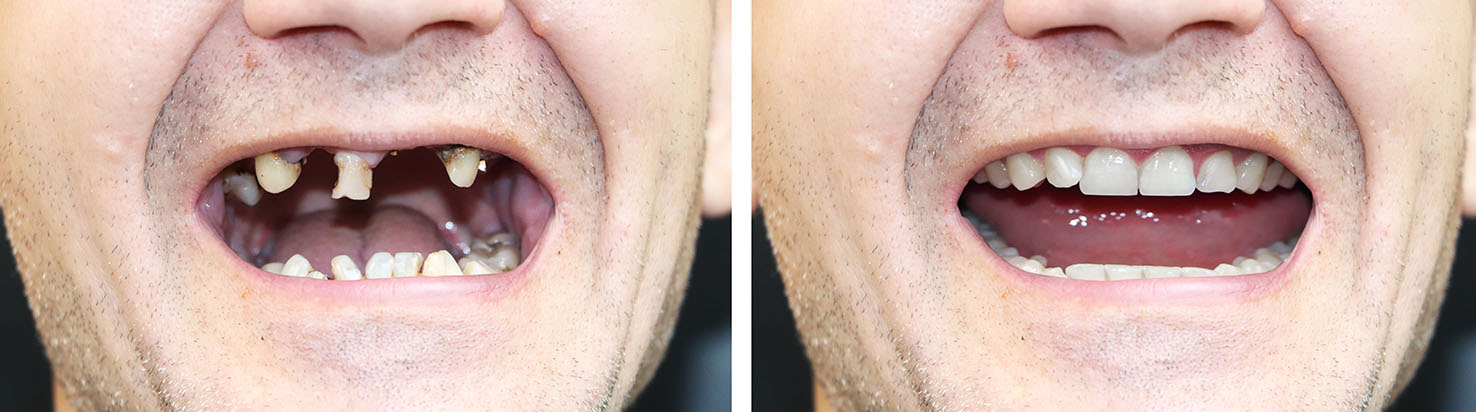
Some patients need bone grafting before implant placement to build up insufficient bone volume. Bone grafts create a stable foundation for implants by restoring lost height or width of the jaw where needed. Grafting materials and techniques have advanced, allowing predictable augmentation in many cases.
Bone grafting can be performed at the time of tooth extraction, before implant placement, or sometimes during implant surgery depending on the clinical situation. Your care team will explain the timing, materials, and expected healing timeline so you know what to expect.
When bone grafting is indicated and planned correctly, it significantly improves the long-term prognosis of implants and permits restorative options that may not otherwise be possible.
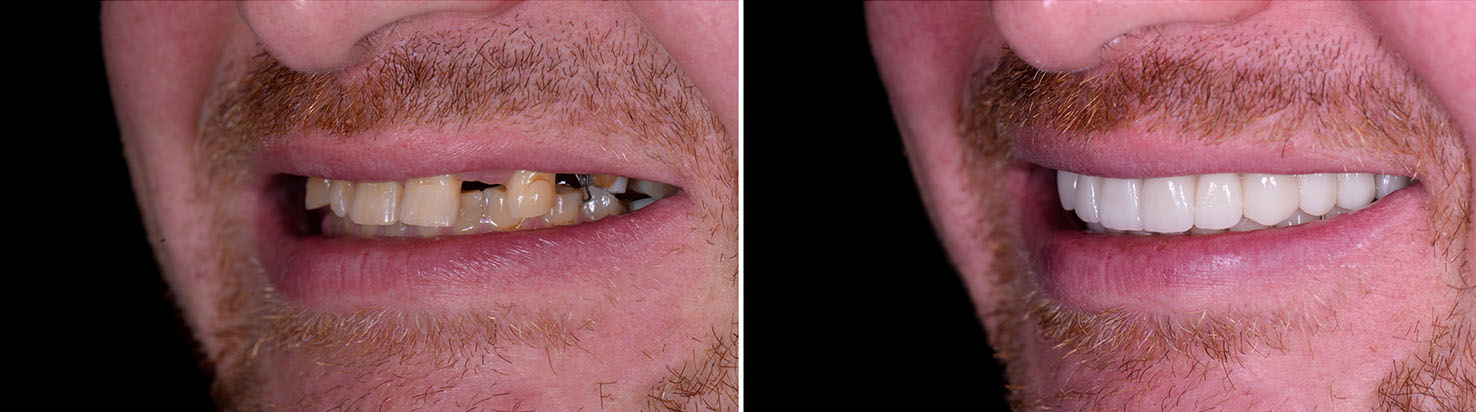
Deciding on dental implants is a collaborative process. We take time to review medical and dental history, explain the clinical findings, and demonstrate how different options can meet your goals. Clear communication about each step helps patients feel confident and prepared.
At Centreville Dental Design, treatment is tailored to the individual—every plan reflects the patient’s anatomy, cosmetic preferences, and functional objectives. Our goal is to deliver a stable, long-lasting restoration that improves oral health and quality of life.
If you would like to learn more about implant dentistry or want an evaluation to see which options are appropriate for your smile, please contact our office for more information. We’re happy to walk you through the next steps and answer any questions you have about care.
A dental implant is a small biocompatible post, typically made of titanium or a titanium alloy, that serves as an artificial tooth root when placed into the jawbone. It is surgically positioned so it can support a crown, bridge, or fixed prosthesis and restore chewing function. Over time, the surrounding bone fuses to the implant surface in a process called osseointegration, producing a stable connection similar to a natural tooth root.
The visible restoration attached to an implant is custom designed to match the color, shape, and alignment of surrounding teeth for a natural appearance. Because the implant transmits functional forces into the jawbone, it helps maintain bone volume and facial contours that can deteriorate after tooth loss. The team at Centreville Dental Design uses digital planning and modern implant systems to optimize both function and aesthetics for each patient.
Good candidates for dental implants are adults in generally good health who have adequate jawbone volume or are willing to consider preparatory procedures such as bone grafting. Oral health factors like controlled gum disease, stable systemic health, and a commitment to daily hygiene and regular dental visits are important contributors to long-term success. Smoking, certain medical conditions, and medications can affect healing, so a full medical and dental history is evaluated during the consultation.
A personalized evaluation using clinical examination and digital imaging determines candidacy by assessing bone quantity, soft tissue health, and occlusion. When limitations exist, staged treatment options or adjunctive procedures can often create a predictable path to implant restoration. The decision to proceed is based on a balance of anatomy, overall health, and the patient’s oral rehabilitation goals.
Treatment begins with a comprehensive consultation that includes medical and dental history, oral examination, and 3D imaging to map bone anatomy and critical structures. A customized plan is developed outlining implant number, position, and any necessary preparatory procedures, such as tooth extraction or bone grafting. Surgical placement of the implant is usually performed as an outpatient procedure with local anesthesia and, when appropriate, sedation options to enhance comfort.
After implant placement, a healing interval allows osseointegration to occur; this period varies by case and may last several weeks to a few months. Temporary restorations can be provided when indicated to maintain function and appearance during healing. Once integration is confirmed, laboratory-fabricated crowns, bridges, or fixed prostheses are attached and adjusted to achieve proper bite and esthetics.
Healing after implant placement involves soft tissue recovery and the biological process of osseointegration, where bone cells grow onto the implant surface to create a stable interface. The timeline for osseointegration typically ranges from several weeks to a few months depending on bone quality, implant location, and patient health factors. During this period, patients are advised to follow specific oral hygiene and dietary recommendations to protect the surgical site and promote predictable healing.
Clinicians monitor healing with clinical checks and imaging to verify bone stability before proceeding to final restoration. In cases where immediate loading is appropriate, provisional prostheses are designed to minimize stress on implants while maintaining appearance. Clear post-operative instructions and follow-up care help reduce complications and support long-term implant function.
Bone grafting is indicated when there is insufficient jawbone volume to achieve primary stability for an implant or to restore ideal implant positioning for a predictable outcome. Common reasons for bone loss include prolonged tooth absence, periodontal disease, or previous extractions that resulted in resorption. A sinus lift is a specialized grafting procedure used in the upper posterior jaw to create vertical bone height when the sinus floor is too close to the planned implant site.
Grafting procedures can be performed at the time of extraction, before implant placement, or concurrently with implant surgery depending on the clinical scenario and the amount of augmentation required. Modern grafting materials and techniques allow for predictable reconstruction of bone in many situations. Your care team will explain the chosen approach, expected healing timeline, and how grafting improves the long-term prognosis of the implants.
There are several restorative strategies for replacing multiple missing teeth, ranging from implant-supported bridges to full-arch fixed prostheses supported by four, six, or more implants. An implant-supported bridge replaces a short span of missing teeth with implants holding a fixed restoration, avoiding the need to alter adjacent natural teeth. For full-arch rehabilitation, fixed restorations such as All-on-style solutions use multiple implants to support a complete set of nonremovable teeth that restore function and aesthetics.
Another option for denture wearers is implant-retained overdentures, which use two or more implants to stabilize a removable prosthesis and reduce movement during speech and chewing. The choice of solution depends on the number and position of missing teeth, bone availability, patient preferences, and functional goals. Careful planning with digital imaging and occlusal analysis helps determine the most appropriate, long-lasting option for each case.
Dental implants offer several clinical advantages compared with conventional bridges and removable dentures, primarily because they replace the tooth root and preserve bone by transmitting functional forces into the jaw. Unlike traditional bridges, implants do not require reducing adjacent healthy teeth for support, which helps maintain the strength and structure of natural dentition. Compared with removable dentures, implants and implant-supported prostheses provide improved stability, comfort, and chewing efficiency.
That said, bridges and dentures remain appropriate solutions for certain clinical situations and patient preferences. The selection of a replacement option should consider long-term oral health, anatomical limitations, and the desired balance of function and aesthetics. A detailed assessment of pros and cons for each approach allows patients to make an informed decision with their clinician.
As with any surgical procedure, dental implant treatment carries potential risks such as infection, bleeding, nerve irritation, or sinus complications when implants are placed near the sinus cavity. Early complications most often relate to wound healing and surgical site care, while longer-term concerns can include peri-implant mucositis or peri-implantitis if plaque control and routine maintenance are neglected. Careful case selection, sterile surgical technique, and appropriate follow-up reduce the likelihood of adverse outcomes.
Rarely, implants may fail to integrate with bone, requiring removal and possible revision treatment after addressing contributing factors. Preexisting medical conditions, certain medications, smoking, and inadequate bone volume can increase complication risk, which is why a thorough evaluation and individualized treatment plan are essential. Open communication with your dental team about medical history and postoperative symptoms helps ensure timely management if problems arise.
Long-term implant health relies on consistent daily hygiene and regular professional care. Patients should brush twice daily with a soft-bristled brush, clean around implant restorations with interdental brushes or floss designed for implants, and follow any supplemental home-care instructions provided by the dental team. Avoiding habits that place excessive stress on implants, such as chewing on hard objects and untreated bruxism, also helps protect restorations.
Routine dental visits for professional cleaning and clinical evaluation are important to monitor soft tissue health and bone levels around implants. During these visits, clinicians assess for early signs of inflammation or mechanical issues and recommend interventions when needed. Maintaining overall systemic health, including controlling chronic conditions and quitting tobacco use, further supports implant longevity.
A consultation begins with a thorough review of your dental and medical history, a clinical examination, and diagnostic imaging such as digital X-rays or cone beam CT when indicated to evaluate bone anatomy and nerve locations. The clinician will discuss your goals, review potential treatment options, and explain any preparatory procedures that may be necessary to achieve a predictable outcome. This visit is an opportunity to ask questions about timelines, surgical steps, and restorative choices so you understand each phase of care.
Following the evaluation, a personalized treatment plan is provided that outlines recommended procedures, sequencing, and expected healing milestones, with attention to both function and aesthetics. The practice emphasizes clear communication and collaborative decision making so patients feel informed and prepared for each step. If implants are appropriate, the team will discuss preoperative instructions and coordinate follow-up to support successful treatment progression.
