Call Us Today!
(703) 825-1191
New Patients
(703) 202-2036


Advances in dental materials and treatment planning have made replacing missing teeth more predictable and natural than ever. While dental implants and fixed bridgework remain excellent choices for many patients, removable dentures continue to be a dependable option when a full or partial replacement is the best match for a patient’s needs.
At our practice we use high-quality materials and contemporary techniques to create dentures that look lifelike, support facial tone, and restore everyday function. Careful craftsmanship combined with modern diagnostics helps ensure a comfortable fit and a confident smile.
We approach every denture case as a collaboration: we listen to each patient’s goals, evaluate oral health thoroughly, and design a plan that balances durability, comfort, and appearance. Whether someone needs a partial solution or a complete denture, our team focuses on long-term outcomes and everyday comfort.
Losing teeth affects more than the appearance of your smile. Beyond the immediate gap, missing teeth change how your bite functions, alter chewing patterns, and can make speech less clear. These changes may lead to dietary limitations or discomfort while eating, which in turn can affect overall nutrition and enjoyment of meals.
Over time, the jawbone beneath a missing tooth begins to remodel because it no longer receives the stimulation of chewing. This gradual bone loss can change facial contours, making the lower face appear shorter or more sunken. Addressing gaps in the mouth helps preserve oral structure and supports a more natural facial profile.
Emotional effects are important too. Many people feel self-conscious about missing teeth and avoid smiling or social situations because of it. Replacing those gaps — whether with a partial denture, a full denture, or another prosthetic — can restore confidence and make social and professional interactions easier and more comfortable.
The sooner a replacement plan is put in place, the easier it is to manage the functional and aesthetic consequences of tooth loss. Our team evaluates each case comprehensively to recommend the most appropriate path forward for preserving oral health and improving quality of life.

Dentures are removable dental appliances made of artificial teeth mounted to a gum-colored base. They are designed to sit comfortably on the gums and replace missing teeth so patients can chew, speak, and smile with more ease. Modern denture teeth are crafted to mimic natural tooth shape and shade, producing a more natural appearance than in past generations.
Removable dentures can replace a single missing tooth area, several teeth, or an entire arch. Partial dentures clip or attach to adjacent natural teeth to fill gaps and help stabilize the remaining dentition. Complete dentures replace all teeth in the upper or lower arch when no natural teeth remain.
One of the practical benefits of removable prosthetics is that they allow for daily cleaning outside the mouth, making it simpler to maintain the health of the soft tissues and any remaining teeth. With proper care, many patients find dentures to be a comfortable, functional, and attractive solution for tooth loss.
Selecting the right denture starts with a careful clinical evaluation. Factors like the condition of any remaining teeth, the shape of the jawbone, bite relationships, and personal expectations all influence which design will perform best. We discuss these elements openly and recommend options that meet functional needs while delivering a natural look.
Removable prostheses generally fall into two broad categories: complete (full) dentures and partial dentures. Complete dentures replace all the teeth in an arch, while partial dentures are intended to fill one or more gaps when at least some healthy teeth remain in place. Each approach has variations to address different clinical scenarios.
Complete dentures restore an entire arch and are customized to each patient’s mouth. After impressions and careful measurements, the denture base and teeth are arranged to provide balanced function and an aesthetically pleasing result. A properly designed full denture supports lip and cheek contours and helps speech and chewing return toward normal patterns.
Conventional full denture
Conventional full dentures are made once the gums and bone have healed following tooth removal. Because healing is complete, these dentures often deliver a precise and comfortable fit from the outset, though minor adjustments may still be needed as you adapt to them.
Immediate denture
An immediate denture is placed on the same day teeth are removed so the patient does not have to be without teeth during healing. While convenient, immediate dentures usually require subsequent relining or adjustments as the mouth heals and tissue contours change.
Overdenture and implant-assisted designs
Overdentures use remaining tooth roots or small dental implants as anchors to increase stability. Implant-supported dentures attach to implants and offer greater retention and chewing efficiency, which can be especially helpful in the lower jaw where suction alone may be less predictable.
Partial dentures replace one or several missing teeth while using the support of neighboring natural teeth. They typically use clasps, precision attachments, or frameworks that blend with the mouth to restore function and keep remaining teeth from drifting into empty spaces.
Materials for partial frameworks range from cast metal to flexible resins and hybrid options, allowing for choices that balance durability, comfort, and aesthetics. Good design helps distribute chewing forces evenly, which protects both the denture and the remaining teeth.
Whether a partial or complete denture is best depends on the number and condition of existing teeth, the health of the gums and bone, and the goals for function and appearance. Our team explains the differences clearly so patients can choose the solution that fits their lifestyle.
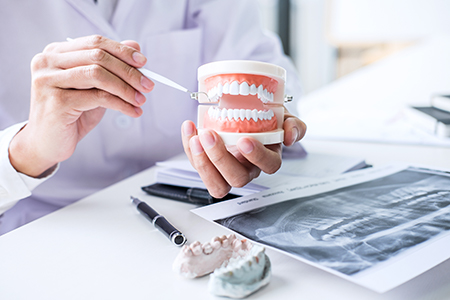
Designing a successful denture involves more than a single impression. We begin with a full evaluation of oral health, review of medical history, and diagnostic imaging when appropriate. This comprehensive view helps identify any preparatory steps—such as minor procedures or tooth work—that improve the long-term fit and comfort of a denture.
Impressions, bite records, and trial tooth setups allow us to refine shape, shade, and occlusion before the final prosthesis is finished. Attention to these details reduces the need for extensive adjustments later and helps produce a denture that feels natural in daily use.
For patients interested in enhanced stability, we discuss implant-retained options alongside traditional designs. Implant attachments can dramatically improve retention and chewing efficiency for many people while preserving oral anatomy in the long run.
Centreville Dental Design combines modern diagnostics with careful laboratory collaboration to ensure each appliance meets the patient’s functional needs and cosmetic preferences. Our goal is a predictable, comfortable result that stands up to everyday life.

Adapting to a new denture is a process that varies by individual. Initial soreness, increased saliva, and changes in speech are common but typically improve within days to weeks. Gradual adaptation is normal; wearing your denture as directed and returning for scheduled adjustments helps the process go smoothly.
Speaking and eating may feel different at first. Reading aloud and practicing simple conversations can speed up speech adaptation. Start with soft, easy-to-chew foods and cut items into small pieces, chewing on both sides to keep pressure even. Over time, most patients regain nearly normal eating function.
Daily cleaning is essential for comfort and oral health. Rinse dentures after meals, brush them gently each day with a suitable brush, and soak them overnight in water or an approved cleanser. Also care for any remaining natural teeth and the gums beneath a denture to prevent irritation or infection.
When adjustments are needed
If you experience sore spots or poor stability, we can make targeted adjustments. It’s helpful to wear the denture for a short time before an adjustment appointment so we can identify the exact areas that require relief.
Follow-up and routine care
Regular visits allow us to check fit, assess tissue health, and monitor any changes that could affect your denture. Periodic relines or refinements help maintain a comfortable fit as the supporting tissues naturally remodel over time.
Improving stability
When retention is a concern, options such as adhesives, precision attachments, or implant support can enhance stability. We discuss these possibilities based on clinical findings and patient preference.
Restoring a full, comfortable smile with a well-made denture can transform daily life. If you’d like to learn more about how removable dentures could work for you, contact us for more information.
Dentures are removable dental appliances that replace missing teeth and the surrounding gum tissue. They consist of prosthetic teeth attached to a gum-colored base that rests on the oral tissues and distributes chewing forces across the mouth. Modern denture teeth are crafted for natural shape and shade to improve appearance while restoring basic chewing and speech functions.
Removable dentures can replace a single area, several teeth, or an entire arch depending on the patient’s needs. Partial designs anchor to remaining teeth to fill gaps and help prevent shifting, while complete dentures replace all teeth in an arch when no natural teeth remain. Properly fitted dentures support lip and cheek contours and can help restore a more natural facial profile.
Full, or complete, dentures replace all of the teeth in the upper or lower arch and are used when no natural teeth remain. They rely on tissue coverage, suction, and, in some cases, the shape of the jawbone to maintain retention and function. Partial dentures, by contrast, replace one or several teeth while using clasps, frameworks, or precision attachments to connect to existing healthy teeth.
Partial dentures help maintain tooth position by preventing adjacent teeth from drifting into empty spaces and can be made from cast metal, flexible resin, or hybrid materials. The choice between complete and partial designs depends on the number and condition of remaining teeth, the health of the gums and bone, and the patient’s functional and aesthetic goals. A clinical evaluation guides the selection of the most appropriate approach.
Implant-retained dentures use dental implants as anchors to significantly improve retention and chewing stability compared with traditional removable bases. Small implants are placed in the jaw and fitted with attachments that secure the denture, reducing movement and improving comfort, especially for lower-arch prostheses where suction can be less predictable. Overdentures may also use remaining tooth roots as natural anchors when appropriate.
Good candidates for implant-assisted solutions typically have adequate bone volume or can be treated to restore bone, good overall health, and realistic expectations about the procedure and aftercare. A thorough evaluation including medical history review and diagnostic imaging helps determine implant suitability and treatment sequencing. When implants are not advisable, conventional denture designs remain reliable alternatives.
Designing a successful denture starts with a comprehensive oral exam, review of medical history, and diagnostic imaging when needed to assess bone and tissue health. Impressions, bite records, and trial setups allow clinicians to refine tooth position, occlusion, and aesthetic choices before fabricating the final appliance. This stepwise approach minimizes adjustments and helps ensure the denture supports natural speech and chewing patterns.
Attention to material selection, base contours, and occlusal relationships is essential for long-term comfort and function. When tissue changes or tooth extractions are anticipated, timing and choice of immediate versus conventional dentures are planned to manage healing and fit. Collaboration with a skilled dental laboratory further improves the accuracy and appearance of the finished prosthesis.
Adjusting to a new denture is a normal process that typically involves brief soreness, increased saliva, and modest changes in speech for the first days to weeks. These symptoms usually improve as oral tissues adapt and patients gain confidence using the new appliance. Wearing the denture as directed and returning for scheduled adjustments helps address sore spots and refine fit early in the adaptation period.
Eating may feel different at first, so starting with soft, easy-to-chew foods and cutting items into smaller pieces can make meals more comfortable. Practicing speech aloud and taking gradual steps to reintroduce more challenging foods supports faster functional recovery. If persistent discomfort or instability occurs, follow-up visits allow for targeted relief and modifications.
Daily denture care helps preserve the appliance and maintain oral tissue health. Rinse dentures after meals, brush them gently with a denture brush or soft toothbrush and a nonabrasive cleanser, and soak them overnight in water or an approved denture solution to keep them clean and hydrated. Avoid using regular toothpaste or harsh household cleaners that can scratch the denture surface.
It is also important to care for any remaining natural teeth and the gums beneath a denture by brushing and flossing as recommended. Remove the denture at night unless otherwise directed to allow tissues to rest and to reduce the risk of irritation or infection. Regular professional checkups help detect issues and keep the oral environment healthy.
Routine dental visits are important to monitor fit, assess oral tissue health, and check for changes that may affect denture performance. Over time, natural bone and soft tissues remodel and the fit of a denture can loosen, making periodic relines or adjustments necessary to restore comfort and function. The exact timing varies by individual but a yearly evaluation is a common starting point, with more frequent visits if problems arise.
Relines rebuild the tissue surface of the denture base to match changes in the mouth and improve adaptation without replacing the entire prosthesis. In cases of significant wear, fracture, or cosmetic concerns, fabrication of a new denture may be recommended to ensure optimal function and appearance. Regular follow-up supports long-term outcomes and helps prevent tissue irritation or other complications.
Several strategies can enhance denture stability and chewing performance, including careful denture design, selection of the right materials, and use of adhesives or precision attachments when appropriate. Implant-retained options provide the greatest improvement in retention and efficiency for many patients by anchoring the prosthesis to the jaw. Proper occlusal adjustment and balanced bite relationships also play a critical role in reducing movement during function.
Training and behavioral techniques, such as chewing on both sides of the mouth and cutting food into manageable pieces, can further improve comfort during meals. If stability remains a concern, a clinical reassessment can identify mechanical or anatomical factors that may be addressed through modification, relining, or alternate retention methods. Coordinated planning helps match the solution to each patient’s expectations and oral anatomy.
Yes, several health and preparatory factors are evaluated before denture treatment to promote a predictable outcome. A complete oral examination, medical history review, and diagnostic imaging identify existing infections, periodontal disease, or areas that require extraction or restorative work before prosthesis fabrication. Addressing these issues beforehand reduces the risk of complications and improves the longevity of the denture.
In some cases, minor surgical procedures, tooth extractions, or periodontal therapy are necessary to create a stable foundation for the appliance. When implants are part of the plan, additional planning and healing time are required to integrate the implants with the bone. A coordinated treatment plan outlines the sequence of steps and expected timelines for a safe, effective result.
At Centreville Dental Design we combine a personalized evaluation with modern diagnostics and careful laboratory collaboration to design dentures that meet functional and aesthetic goals. The process begins with a comprehensive exam and detailed impressions, followed by trial setups that let patients preview tooth position, shade, and occlusion before the final prosthesis is fabricated. This stepwise approach helps produce a comfortable, natural-looking result tailored to each individual.
Our team discusses all appropriate options, including conventional, immediate, and implant-assisted designs, to recommend solutions that balance comfort, durability, and appearance. Follow-up care, adjustments, and routine maintenance are emphasized to preserve fit and oral health over time. Patients are encouraged to ask questions throughout treatment so the plan aligns with their expectations and lifestyle.
