Call Us Today!
(703) 825-1191
New Patients
(703) 202-2036


Deciding to remove a tooth can feel like a big step, but when it’s recommended, the goal is always to protect your long-term oral health. Our approach is to preserve natural teeth whenever feasible, but there are situations where extraction prevents infection, pain, or damage to adjacent teeth and supporting bone. We focus on clear explanations so patients understand why removal may be the best path forward.
Every treatment plan begins with a careful review of your medical and dental history, a thorough clinical exam, and targeted imaging. This evaluation helps the team determine whether a tooth can be saved with restorative care or if extraction is necessary to prevent broader problems. You’ll receive straightforward guidance about the rationale for removal and the options that follow.
Comfort and safety are priorities throughout the process. We’ll talk through anesthesia options and, when appropriate, discuss sedation to reduce anxiety. Our goal is to make the experience as calm and predictable as possible while keeping you informed about each step and the reasons behind it.
Persistent baby teeth that interfere with development
Sometimes a deciduous tooth does not loosen as the adult tooth beneath it begins to erupt. When a baby tooth remains ankylosed (fused to bone) or its roots fail to resorb, it can block proper alignment and jaw development. Removing an over-retained baby tooth can allow the permanent tooth to come in and support healthy dental development.
Permanent teeth with irreparable decay
Tooth decay starts at the enamel and, if untreated, can extend into deeper layers and the pulp. When a tooth has lost too much structural integrity or the infection cannot be controlled, restoration is no longer safe or predictable. In those circumstances, extraction prevents the spread of infection and protects surrounding teeth and tissues.
Severe fracture or structural breakdown
Cracks and breaks vary in severity. If a fracture extends into the root or the remaining tooth structure is insufficient to support a crown or other restoration, removal may be the most reliable solution. Extracting a compromised tooth can stop chronic pain and create a foundation for a predictable replacement.
Advanced periodontal disease
When gum disease progresses, the bone and soft tissues that hold teeth in place can deteriorate. Loose teeth, persistent infection, and deep pockets are signs that a tooth may no longer be salvageable. Extracting hopeless teeth can improve oral health and make it easier to manage remaining teeth and treat the underlying periodontal condition.
Wisdom teeth that are impacted or cause problems
Third molars often lack adequate room to erupt and can become impacted, decay-prone, or a source of crowding and infection. Removing problematic wisdom teeth—especially before they cause complications—can reduce future oral health risks and ease orthodontic or restorative planning.
Extractions as part of orthodontic planning
In select orthodontic cases, removing one or more permanent teeth creates the space needed to align the bite and achieve stable, functional results. These decisions are made in coordination with your orthodontic plan and tailored to preserve overall facial balance and long-term function.

Preparation starts with communication. We’ll review your current medications, medical conditions, and any previous complications with dental treatment so we can tailor care to your needs. Certain health conditions or medications require special planning—our goal is to minimize risk and maximize comfort.
Diagnostic imaging is an important part of planning. Digital radiographs help us evaluate root anatomy, the relationship of teeth to vital structures, and the presence of any infection or bone loss. That information guides whether a simple removal is appropriate or if a referral for surgical extraction is necessary.
If you feel anxious about dental work, we’ll discuss options for comfort, including nitrous oxide or other sedation choices when indicated. We’ll also provide clear pre-operative instructions—such as fasting or medication adjustments—when those are necessary for your safety and the success of the procedure.
Extractions generally fall into two categories: straightforward removals of visible teeth and surgical procedures for teeth that are broken, deeply rooted, or impacted. Understanding the difference helps you know what to expect and how recovery may vary between procedures.
When a tooth is fully erupted and the roots are uncomplicated, a simple extraction can often be completed quickly in the dental chair. Local anesthesia numbs the area, and the clinician gently loosens and removes the tooth using specialized instruments. For many patients this is the least invasive option with a straightforward recovery.
In a routine extraction you will be comfortably numb and the dentist will use instruments to loosen the tooth and remove it with forceps. The technique emphasizes gentle tissue management to encourage predictable healing. If sutures are needed, they are typically minimal and designed to come out or dissolve within a week.
If you are nervous, additional comfort measures such as nitrous oxide or oral sedation can be arranged. Post-procedure instructions will cover pain control, bleeding management, and dietary adjustments to support a smooth recovery.
Surgical extractions are used for teeth that are impacted, ankylosed, or fractured at the gumline. These procedures may require a small incision in the gum and selective removal of bone to access the tooth. In some cases, a tooth is sectioned into pieces to allow safe removal while preserving surrounding structures.
Depending on the complexity, a surgical extraction may be performed by the general dentist or in consultation with an oral and maxillofacial surgeon. You will be fully informed about the planned approach, anesthesia options, and any additional precautions to take before the procedure.
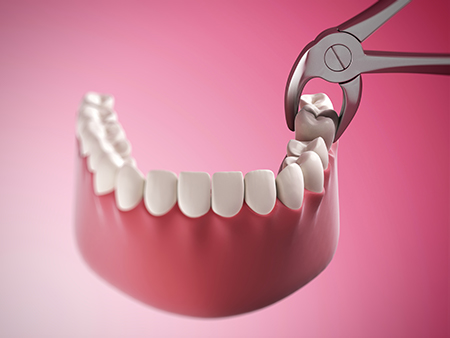
How you care for the site in the first 48–72 hours has a major impact on comfort and healing. We provide personalized post-operative instructions, but there are common principles that apply to most uncomplicated extractions. Sticking to these guidelines reduces the risk of complications and helps you return to normal activities sooner.
Expect some swelling and mild discomfort in the days following removal. Using ice to control swelling, taking prescribed or recommended pain medication as directed, and resting for the remainder of the day will help your recovery. Most people feel much better within a few days and continue to improve over the first week.
If stitches are placed, your team will tell you whether they will dissolve on their own or require removal at a follow-up visit. Keeping the area clean while avoiding actions that dislodge the blood clot—like rinsing forcefully or using a straw—will support the formation of healthy tissue in the extraction site.
Maintain gentle pressure with gauze
We will give you gauze to bite on immediately after the procedure. Replace the gauze as instructed, and maintain steady pressure to encourage clot formation. Slight oozing can persist for up to 24 hours; call the office if bleeding is heavy or prolonged.
Protect numb tissues
Avoid chewing or touching the lip, cheek, or tongue until the local anesthetic has worn off to prevent accidental biting and injury.
Take medications as directed
If antibiotics or pain medications are prescribed, follow the instructions carefully. Use over-the-counter non-aspirin pain relievers as recommended unless otherwise directed by the clinician.
Allow the clot to form
Do not spit forcefully, rinse vigorously, or use straws for the first 24–48 hours. These actions can dislodge the clot and increase the risk of dry socket.
Control swelling with ice
Apply an ice pack to the outside of the face in short intervals during the first 24 hours to minimize swelling and discomfort.
Avoid smoking
Smoking delays healing and increases the chance of complications. We recommend abstaining from tobacco for at least one week after extraction.
Choose soothing foods
Stick with cool or lukewarm soft foods and plenty of fluids for the first couple of days. Avoid hot, spicy, or crunchy items that may irritate the site.
Maintain gentle oral hygiene
Brush your teeth carefully, avoiding the extraction area for a few days. After 24 hours, gentle rinsing with a warm saltwater solution can help keep the area clean without disturbing the clot.
Attend follow-up appointments
If a follow-up was scheduled—especially after a complex or surgical extraction—attend as directed so we can monitor healing and remove sutures if needed.
If you notice increasing pain, significant swelling after the first few days, fever, or any unusual symptoms, contact our office promptly so the team can evaluate and advise you on next steps.
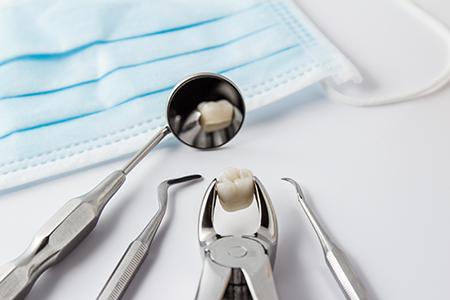
After extraction, we’ll talk about whether and when to replace the missing tooth. Options vary depending on the location of the tooth, your overall oral health, and personal goals. Replacing a tooth can restore function, protect neighboring teeth, and help preserve the jawbone.
Common restorative solutions include fixed bridges, dentures, and dental implants. We’ll explain the benefits and considerations of each option and create a timeline for replacement that aligns with healing and any additional treatment needs. Our focus is on providing options that are durable, predictable, and suited to your lifestyle.
Throughout the process, the practice emphasizes prevention—regular checkups, targeted cleanings, and personalized home care reduce the chance of future extractions and support the health of any restorations you choose.
Our team combines experience with a patient-centered approach that prioritizes safety, comfort, and clear communication. You’ll receive a tailored plan that explains the reasons for extraction, outlines the procedure, and reviews realistic expectations for healing and replacement.
Whether you face a simple removal or a more complex surgical case, we coordinate care thoughtfully—consulting with specialists when that path offers the best outcome. Our aim is to help you keep the healthiest, most functional smile possible while supporting your comfort every step of the way.
To learn more about tooth extractions or to discuss your individual situation, please contact us for additional information.
There are several clinical reasons a tooth may need to be removed, including a baby tooth that is over retained and interfering with normal eruption, a permanent tooth with extensive decay that cannot be restored, a severe fracture that compromises the root, advanced periodontal disease that has damaged the supporting tissues, impacted or poorly positioned wisdom teeth, and overcrowding as part of orthodontic treatment. Each of these conditions can jeopardize surrounding teeth or overall oral health if not addressed promptly. Extractions are recommended only after careful evaluation when preserving the natural tooth is no longer a safe or predictable option.
Before any extraction is scheduled, your dentist will review your medical and dental history, perform a clinical exam, and usually take radiographs to assess root anatomy and bone support. This information helps determine the urgency of the extraction and whether additional measures, such as a referral to a specialist, are needed. The goal is to remove the tooth in a way that protects your long-term oral health and minimizes complications.
A simple extraction is typically chosen when the tooth is fully visible in the mouth and the roots have a straightforward anatomy that allows removal with forceps after numbing the area. During a simple extraction the dentist loosens the tooth, applies forceps, and removes it with minimal manipulation of the surrounding bone and tissues. This procedure is often quicker and associated with a simpler recovery when compared with surgical approaches.
A surgical extraction is recommended when a tooth is broken at the gum line, impacted, ankylosed, or has roots with unusual shapes that cannot be removed easily with forceps alone. Surgical extraction may involve a small incision, removal of a bit of bone, or sectioning the tooth into parts to facilitate safe removal, and it is sometimes performed by an oral and maxillofacial surgeon. Imaging such as digital radiographs or CBCT scans helps determine whether a surgical approach is necessary and informs preoperative planning.
It is important to provide a complete medical history, including current medications, allergies, past surgeries, heart conditions, bleeding disorders, and any history of adverse reactions to anesthesia. Be sure to disclose use of blood thinners, bisphosphonates, or immunosuppressive medications, as these can affect treatment planning and may require coordination with your physician. Also inform the office if you are pregnant, planning to become pregnant, or have recently had any illness or infection.
Your dentist will also ask about anxiety, prior experiences with dental treatment, and whether you prefer or require sedation, since that may alter preoperative instructions such as fasting or arranging transportation. Honest communication allows the care team to tailor precautions and choose the safest anesthesia or sedation option. Following the office's pre-surgical directives helps reduce the risk of complications and improves the overall experience.
Local anesthesia is the foundation of comfort for most extractions and numbs the tooth and surrounding tissues so you feel little or no pain during the procedure. For patients with anxiety, complex extractions, or multiple teeth to be removed, additional options such as nitrous oxide (laughing gas), oral conscious sedation, or IV sedation may be offered to promote relaxation and amnesia. The choice of sedation depends on the patient's health, the complexity of the extraction, and monitoring capabilities during the procedure.
The dental team will review the benefits and risks of each option and tailor the selection to your needs, including any medical considerations that might limit certain sedatives. Proper preoperative instructions and monitoring reduce risk, and licensed professionals oversee sedation to ensure patient safety throughout the procedure. At Centreville Dental Design you can expect a careful discussion of these options so you understand what to expect and how to prepare.
After an extraction you should bite gently on the provided gauze to maintain pressure and help a stable blood clot form, which is essential for proper healing. Avoid rinsing vigorously, spitting, using a straw, or smoking for the first 24 to 72 hours to prevent dislodging the clot, and stick to soft, cool or lukewarm foods while the site begins to heal. Applying an ice pack to the outside of the face in 10-minute intervals during the first day can help control swelling and discomfort.
Take any prescribed medications and over-the-counter pain relievers as directed to manage pain and reduce the risk of infection when indicated by your dentist. Maintain gentle oral hygiene by brushing surrounding teeth carefully and, after the initial 24 hours, rinsing with a mild saltwater solution to keep the area clean without disturbing the healing tissues. Keep any follow-up appointments so your dentist can assess healing and remove sutures if necessary.
While most extractions heal without issue, you should contact your dental office promptly for persistent or heavy bleeding that does not respond to pressure, progressively worsening swelling beyond 48 to 72 hours, a fever, or drainage from the extraction site. Severe pain that intensifies a few days after the procedure, especially pain that radiates to the ear or temple, can indicate a condition called dry socket and requires evaluation and treatment. Numbness that persists beyond the expected duration or new numbness of the lip, chin, or tongue should also be reported immediately.
Your dentist can assess whether an infection, dry socket, retained root fragment, or another complication is present and provide timely interventions such as medicated dressings, antibiotics if indicated, or referral for specialist care. Do not hesitate to call if you are uncertain about a symptom—early assessment helps prevent more serious problems and speeds recovery. Emergency contact information and instructions should be provided by the office before you leave following surgery.
Yes, in many cases an extracted tooth can be replaced to restore chewing function, support facial structure, and maintain adjacent tooth alignment. Common options include removable dentures, fixed dental bridges that rely on adjacent teeth for support, and dental implants, which replace both the tooth root and crown and often provide the most natural long-term result. The right choice depends on factors such as the number and location of missing teeth, bone quantity and quality, overall oral health, and personal preferences.
Timing for replacement varies: in some cases a temporary solution is placed immediately, while in other instances the site is allowed to heal and, if necessary, undergo bone grafting prior to definitive restoration. Your dentist will review the advantages and considerations of each option and coordinate a customized treatment plan that supports function, aesthetics, and long-term oral health. Patients treated at Centreville Dental Design receive detailed guidance about restorative pathways that best suit their individual needs.
An overretained baby tooth may occur when the underlying permanent tooth fails to push the primary tooth out, often due to failure of root resorption or ankylosis where the baby tooth fuses to bone. If the retained tooth interferes with normal eruption, causes misalignment, or is severely decayed or infected, extraction is typically recommended to allow proper development of the permanent dentition. Monitoring eruptive patterns during routine pediatric dental visits helps determine the optimal timing for intervention.
When extraction is indicated, the procedure for a child is performed with attention to comfort and behavior management, using local anesthesia and, when appropriate, minimal sedation techniques to reduce anxiety. Postoperative care instructions for parents include managing bleeding with gauze, feeding soft foods, and observing the child for normal healing or any signs of complications. Early coordination with an orthodontist may be advised if eruption problems could affect long-term alignment.
Recovery after wisdom tooth removal commonly involves swelling, mild to moderate pain, and limited mouth opening (trismus) that typically peak within 48 to 72 hours and then gradually improve. You will be advised to eat soft foods, avoid vigorous rinsing or sucking actions, and maintain gentle oral hygiene around the sites to protect the healing tissues. Rest and cold compresses during the first day help control swelling, while warm saltwater rinses after 24 hours can support cleanliness and comfort.
Stitches may be placed and will either dissolve on their own or be removed at a follow-up visit depending on the materials used. Follow-up appointments allow the dentist or surgeon to confirm healing and address any concerns such as infection or dry socket. If you experience increasing pain, high fever, significant bleeding, or difficulty breathing or swallowing, seek immediate care as these could be signs of rare but serious complications.
Extractions are sometimes recommended in orthodontic treatment plans when there is a tooth-jaw size discrepancy that produces significant crowding, when removing specific teeth will help achieve a more balanced bite, or when certain teeth compromise treatment mechanics. The decision is made after a comprehensive orthodontic evaluation that includes clinical examination, dental impressions or digital scans, and imaging to assess space requirements and facial proportions. The orthodontist and general dentist collaborate to determine whether extraction will produce the best long-term functional and aesthetic result.
When extractions are part of an orthodontic plan, timing and choice of which teeth to remove are coordinated carefully to support efficient tooth movement and preserve facial harmony. In many cases selective removal of premolars is used, but the exact approach is tailored to the individual case and the planned mechanics of tooth alignment. Your care team will explain alternatives, expected outcomes, and the role of extraction within the overall treatment goals.
